February 2, 2026
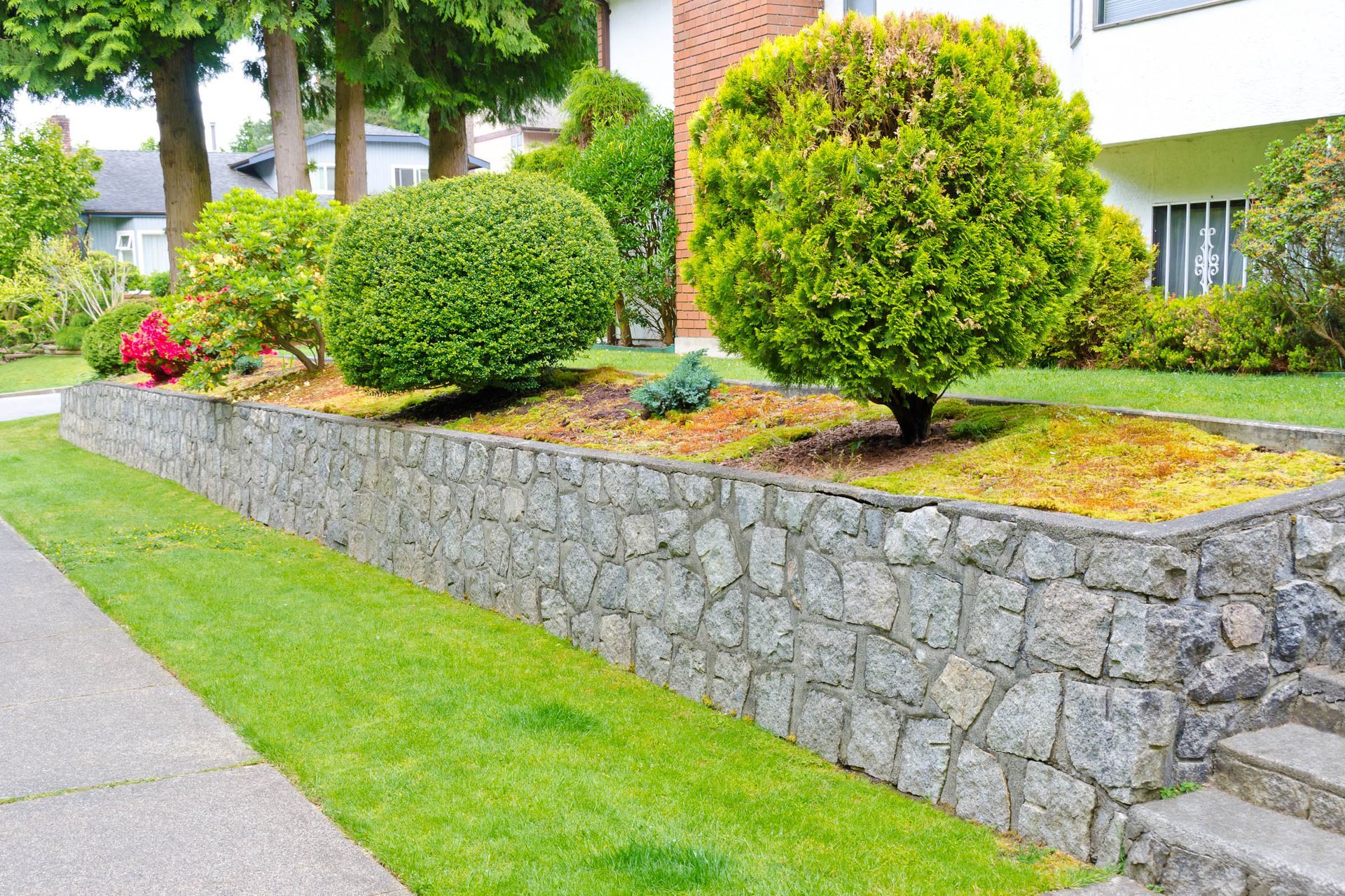
Retaining walls play a vital role in protecting landscapes by holding back soil, managing water flow, and preventing erosion. Over time, however, constant exposure to environmental forces such as moisture, shifting soil, and temperature changes can weaken these structures. When damage goes unnoticed, small issues can escalate into serious safety hazards and costly repairs. Recognizing the early warning signs of retaining wall failure allows property owners to act before structural integrity is compromised. This article outlines the most common indicators that suggest your retaining wall may need repair, helping you safeguard your property and maintain long-term stability.
1. Cracks Appearing in the Wall
Cracks in retaining walls are a common sign of underlying structural issues. These can range from small hairline fractures to large gaps, each indicating different degrees of concern. While hairline cracks may simply result from normal settling, larger cracks often suggest significant pressure or foundational movement. It is essential to assess the type and severity of the cracks to determine the appropriate course of action. Regular monitoring of wall conditions can help identify developing cracks before they become a major problem.
The potential causes of cracking include soil pressure, improper drainage, and material fatigue. Pressure from improperly drained water can build up behind the wall, leading to stress fractures and eventually causing larger structural failures. Additionally, the use of low-quality materials or poor construction techniques can contribute to premature cracking. Identifying the root cause of cracks is crucial for effective repairs and future prevention strategies.
2. Bowing or Bulging of the Wall
Bowing or bulging of a retaining wall is a clear indicator that the structure is under excessive stress. This deformation usually results from uneven pressure distribution, often caused by water buildup behind the wall or shifting soil conditions. As the wall bows outward, its ability to support the soil diminishes, increasing the risk of collapse. This issue is commonly seen in older walls or those not built to withstand the current load they are subjected to. Regular inspection can catch early signs of bowing, allowing for timely corrective action.
The impact of bowing or bulging on wall strength should not be underestimated. A bowing wall often implies that its load-bearing capacity has been significantly compromised. This can lead to cracks forming, exacerbating the existing structural weaknesses. As a result, the wall may no longer fulfill its intended purpose of holding back soil or managing water flow. It is crucial to address these issues immediately to prevent a cascade of failures.
3. Water Seepage Through the Wall
Water seepage is a common issue with retaining walls, often leading to erosion and further structural damage. Signs of water seepage include discoloration, efflorescence, and the presence of moss or algae along the wall surface. Other indicators might be a persistently wet area at the wall's base, suggesting poor drainage. Seepage can weaken the wall's material over time, thus compromising its structural integrity. Recognizing these signs early can prevent extensive water damage and costly repairs.
The major causes of water intrusion are inadequate drainage and hydrostatic pressure buildup. Without proper drainage, water collects behind the wall, increasing pressure and forcing its way through small cracks or porous materials. Additionally, areas with high rainfall or poorly graded sites can exacerbate water infiltration issues. Addressing these challenges is crucial for maintaining the wall's strength and functionality over the long term.
4. Wall Rotation or Tilting
Wall rotation or tilting indicates a severe compromise in a retaining wall's stability due to underlying foundational issues. Visible signs include misalignment, unusual spaces between joints, or a forward-leaning position. These symptoms suggest that the wall is gradually giving way under pressure, posing a significant safety risk. Factors contributing to rotation include uneven settling, soil erosion at the base, or increased load pressure. Immediate assessment and action are required once these signs are detected to avoid catastrophic failure.
Tilting often results from common causes such as changing soil conditions or inadequate footing support. Poor construction practices or the use of unsuitable materials can also play a role in undermining the wall's integrity. Rotational stress occurs when a wall's foundational base weakens, leading to displacement and tilting. Understanding these causes is essential for applying the correct remedial techniques to stabilize the wall. Monitoring for these issues should be a regular aspect of property maintenance to prevent escalation.
5. Deterioration of Materials
Material deterioration is a common issue in retaining walls, particularly those exposed to harsh environmental conditions. Types of material deterioration include chipping, flaking, efflorescence, and rusting of reinforcing steel. These forms of decay weaken the wall's material, diminishing its load-bearing capacity over time. Environmental factors such as freeze-thaw cycles, excessive moisture, and pollution contribute significantly to material degradation. Regular assessments are essential to evaluate the condition of the materials and plan appropriate interventions.
Evaluating the extent of material damage involves thorough inspections and material testing. Determining the severity of deterioration is critical for deciding whether repairs are sufficient or replacement is necessary. Minor surface damage may be addressed with surface treatments or repairs, while extensive degradation often requires replacement. This evaluation helps to balance cost considerations with the need for long-term effectiveness. Maintenance tips include regular cleaning, sealing, and addressing minor issues before they escalate.
Prevention and maintenance strategies focus on mitigating environmental impacts and promoting material longevity. Applying protective coatings can shield materials from moisture and pollutants, slowing down the rate of decay. Scheduled maintenance checks and prompt repair of small damages can prevent them from developing into larger issues. According to Building Radar, the U.S. construction industry reached a market size of over $2 trillion in 2024, encompassing residential, commercial, and infrastructure projects, underscoring the importance of these practices in sustaining infrastructure over time. Consideration of appropriate materials and construction techniques can greatly enhance a wall’s resilience and durability.
6. Increased Pressure Behind the Wall
Increased pressure behind retaining walls is a significant issue that can lead to failure over time. Detecting pressure build-up involves observing signs such as water pooling, soil swelling, or strange noises emanating from the wall. Excessive pressure can occur from waterlogged soil, poor drainage systems, or changed loads due to landscape modifications. This increased force can cause bowing, cracks, and eventual collapse if not addressed. Early detection is key to maintaining structural integrity and ensuring safety.
The causes of increased pressure are multifaceted, stemming from both natural and human-induced factors. Heavy rainfall, poor soil drainage, and improper refill can contribute to hydrostatic pressure. Additionally, construction activities or changes in the landscape can alter load distribution, exacerbating pressure issues. Understanding these causes is essential for implementing effective mitigation strategies. Solutions often involve addressing drainage problems and redesigning the landscape to alleviate pressure points.
Retaining walls are a critical component of landscape and structural support, making regular monitoring and maintenance essential. Identifying early signs of damage—such as cracking, bowing, water seepage, or material deterioration—can prevent more severe failures and expensive reconstruction. By taking a proactive approach and addressing issues as they arise, property owners can extend the lifespan of their retaining walls and protect surrounding areas from erosion or collapse. Consulting with experienced professionals ensures repairs are completed safely and effectively, preserving both the function of the wall and the value of your property for years to come. Reach out to RDM Construction Companies LLC to learn more about our services today.