May 5, 2026
When builders take shortcuts, the results are often unsightly and dangerous. Poorly executed work results in structural defects that compromise the safety of a property. Many of these flaws are hidden initially, lying dormant beneath a seemingly smooth surface until the initial heavy rain or freeze occurs. Homeowners and property managers should prioritize hiring experienced concrete contractors to ensure every step of the process is followed to the letter. This oversight is the best way to prevent the most common problems associated with subpar workmanship and low-quality materials.
1. Significant Cracking and Fractures
The chemistry of the mix also plays a massive role in whether the finished product remains intact or shatters over time. When considering the actual makeup of the material, it is vital to respect the chemistry involved in the mixture. According to House Grail, the standard composition of concrete involves 60% to 75% aggregate, 15% cement and water, and 5% to 8% air. If these ratios are altered by adding too much water on-site, the strength of the bond is weakened. This imbalance leads to shrinkage cracks as the excess water evaporates.
Reinforcement is an area where many cut corners to save on costs or labor. Without the proper use of rebar or wire mesh, a slab lacks the tensile strength to hold together under heavy loads. Structural cracks that run deep into the slab are frequently the result of missing or poorly placed reinforcement. Professional concrete contractors never skip this step because it is the only way to guarantee a durable surface. Once these deep fractures form, the path for moisture is opened, leading to significant internal rusting of any metal and further breaking of the slab.
2. Uneven or Sunken Surfaces
Environmental factors like groundwater and erosion also contribute to the sinking of a concrete structure. If the area has poor natural drainage, water will find its way under the concrete and wash away the supporting soil. This creates hollow voids where the slab is essentially floating in mid-air with no support. Eventually, the heavy concrete will succumb to gravity and drop into the hole, causing a massive fracture. Qualified concrete contractors evaluate the landscape to ensure that water is directed away from the base of the slab, preventing the formation of these voids.
Using high-quality sub-base material like crushed stone is the industry standard for preventing settlement. This layer provides a stable, non-compressible surface that allows for minor water movement without shifting the soil. It also acts as a bridge, distributing the weight of the concrete across a wider area of the ground. Skipping the gravel layer is a common mistake that leads to crooked surfaces and expensive future repairs. A properly installed sub-base is the secret to a slab that remains level and functional for many decades of heavy use.
3. Potential Water Drainage Issues
Managing water flow is a technical aspect of any professional paving project. If a surface is flat, water pools in the center, leading to a host of long-term problems for the owner. Designers must calculate the precise slope required to encourage water to move toward a lawn or a dedicated storm drain. Even a slight miscalculation can lead to standing water that remains on the surface for several days after a rainstorm. This issue is a clear indicator of poor craftsmanship and a lack of attention to site grading.
While topical drains can be added to the surface, they are rarely as effective as a properly sloped installation. Expert concrete contractors use laser levels and transit tools to ensure the grade is perfect before any pouring starts on-site. They account for the surrounding landscape, the location of downspouts, and the natural flow of the property. This level of planning is what separates a professional installation from a disaster that will require constant maintenance and cleaning.
4. Prematurely Weak or Crumbling Concrete
Weak concrete is often the result of soupy mixes that are easier for workers to spread and level. While adding extra water makes the labor faster, it ruins the water-to-cement ratio that gives the material its strength. As the excess water leaves the slab during the drying phase, it leaves behind a network of tiny voids. These holes make the finished product porous and soft, similar to a sponge rather than a stone. This material will crumble under the weight of a standard vehicle or even heavy foot traffic very quickly.
Weather conditions during the pour dictate the final strength of the project. If it is too hot, the water evaporates before it can react with the cement, stopping the hardening process prematurely. Conversely, if it is too cold, the water can freeze inside the wet mix, expanding and destroying the internal matrix before it ever sets. Professional concrete contractors monitor the forecast and use specific additives like accelerators or retarders to compensate for the temperature.
5. Unprofessional and Poor Surface Finishes
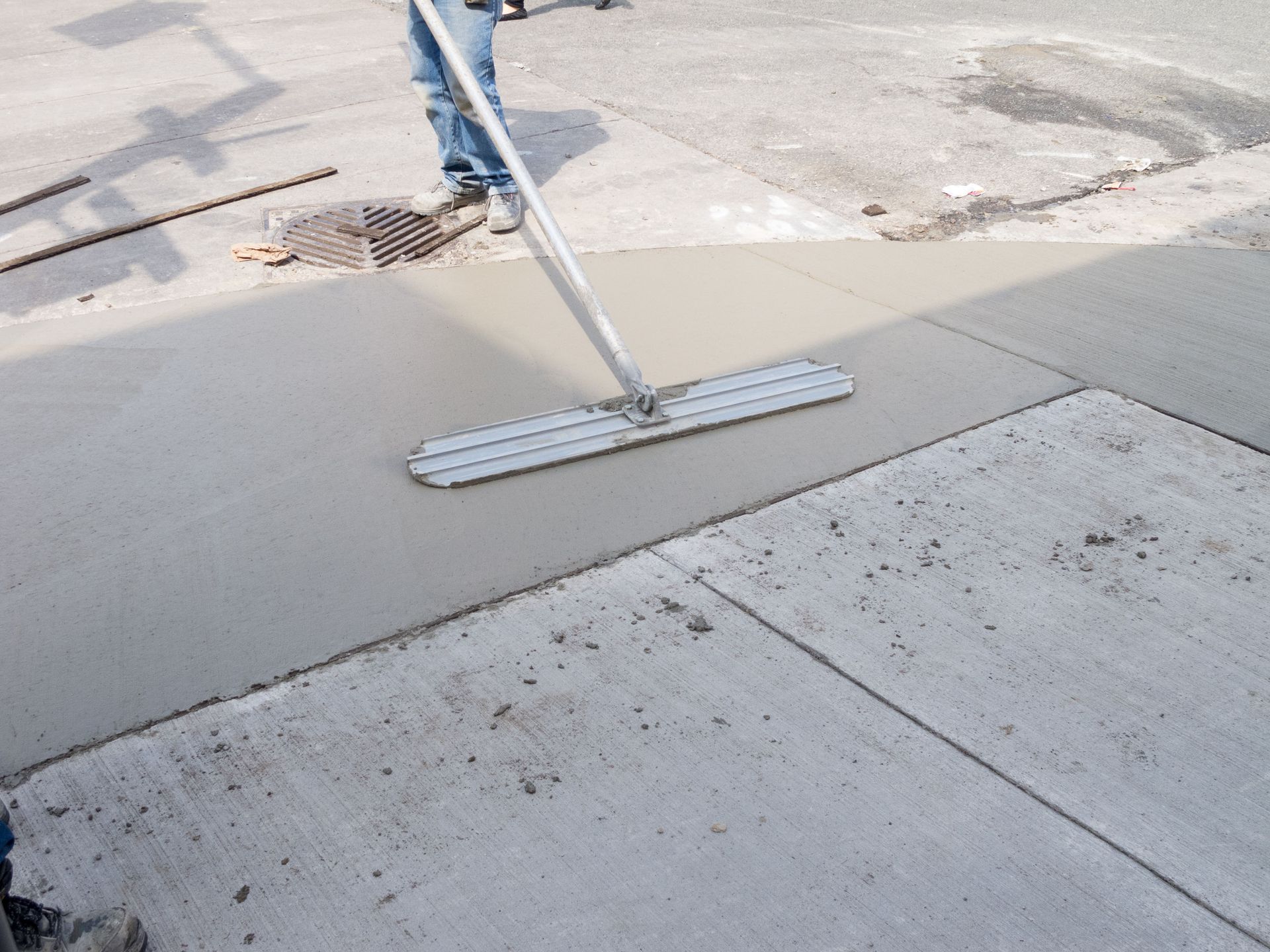
The final look of a project depends entirely on the skill of the finishing crew. A common sign of poor installation is a surface covered in swirl marks, deep ridges, or inconsistent textures. This happens when the finishers do not have the experience to handle the material as it begins to set. Once concrete starts to harden, the window of time to create a smooth surface closes quickly. If the crew is too small for the size of the pour, they will inevitably leave behind a messy and unprofessional finish.
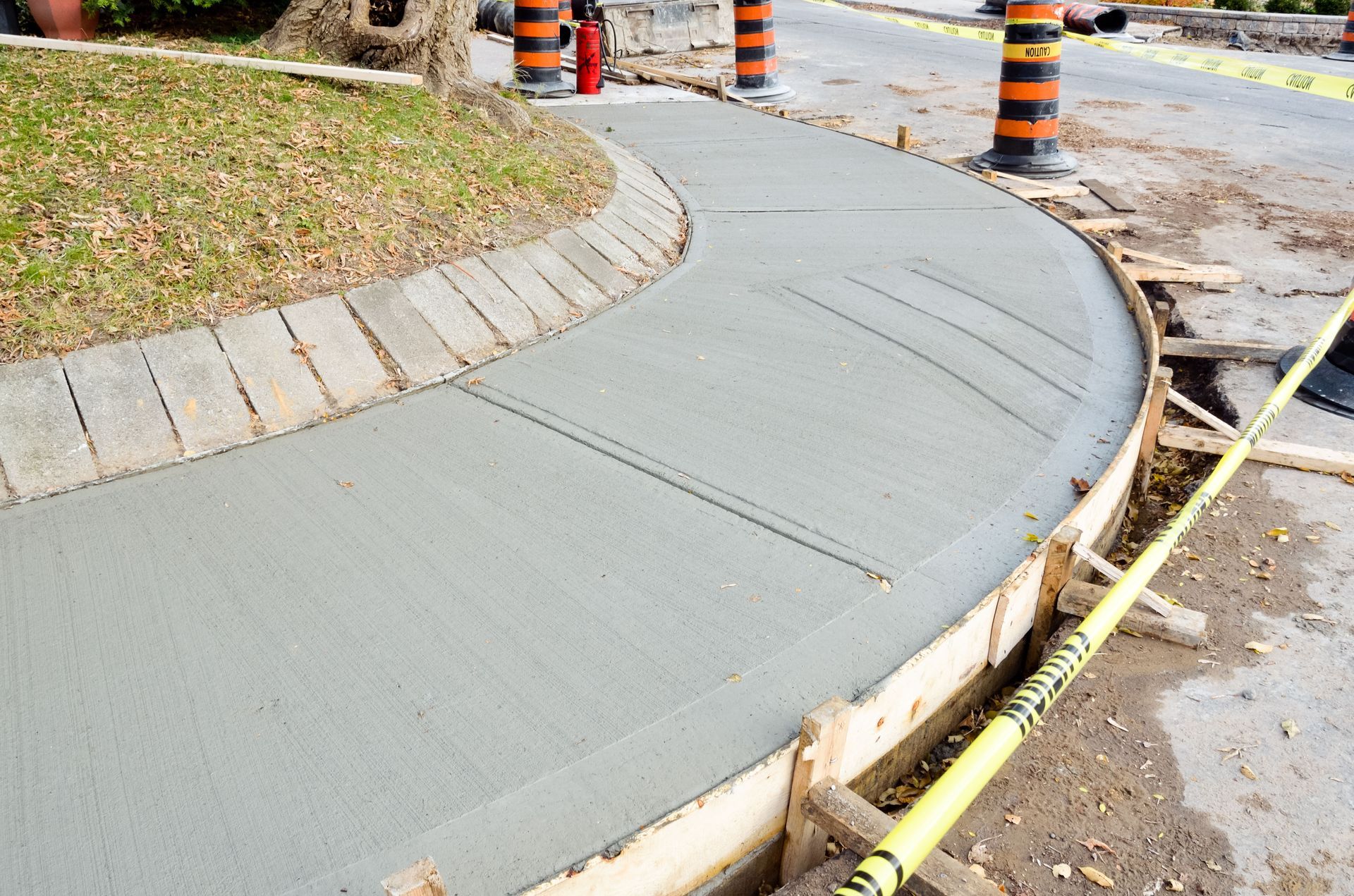
Texture is a critical safety feature for outdoor surfaces. Patios and walkways need a broom finish to provide traction when the surface is wet. If the installer leaves the surface too smooth, it becomes a literal slip-and-slide during a rainstorm. On the other hand, if the texture is too aggressive, it can be uncomfortable to walk on and will catch dirt and grime. Experienced concrete contractors know exactly how much pressure to apply with their tools to achieve the perfect balance of safety and beauty for every unique project.
6. Costly Repairs and Shortened Lifespans
The most painful consequence of a bad installation is the financial burden it places on the property owner. When a slab fails prematurely, the cost of removal and replacement is significantly more than the price of the original job. You have to pay for the demolition, the hauling of debris, and the labor for a new installation. Hiring the cheapest labor available often leads to spending much more just a few years later. Quality concrete should be a permanent investment for your property that does not require constant reinvestment.
Avoiding these headaches requires a commitment to quality from the very beginning of the project. This means researching the reputation of the people you hire and ensuring they follow modern industry standards. High-quality concrete contractors explain their process clearly, from the type of sub-base they use to the specific strength rating of the mix they order for you. They understand that their reputation is built on the longevity of their work. By choosing quality over the lowest price, you are protecting your property and your wallet for the long haul.
The key to a successful project is partnering with a team that values durability as much as you do. For homeowners and business managers who want the job done right the first time, hiring the right concrete contractors is the most important decision in the entire process. Please contact us at RDM Construction Companies LLC so we can help with your next project.