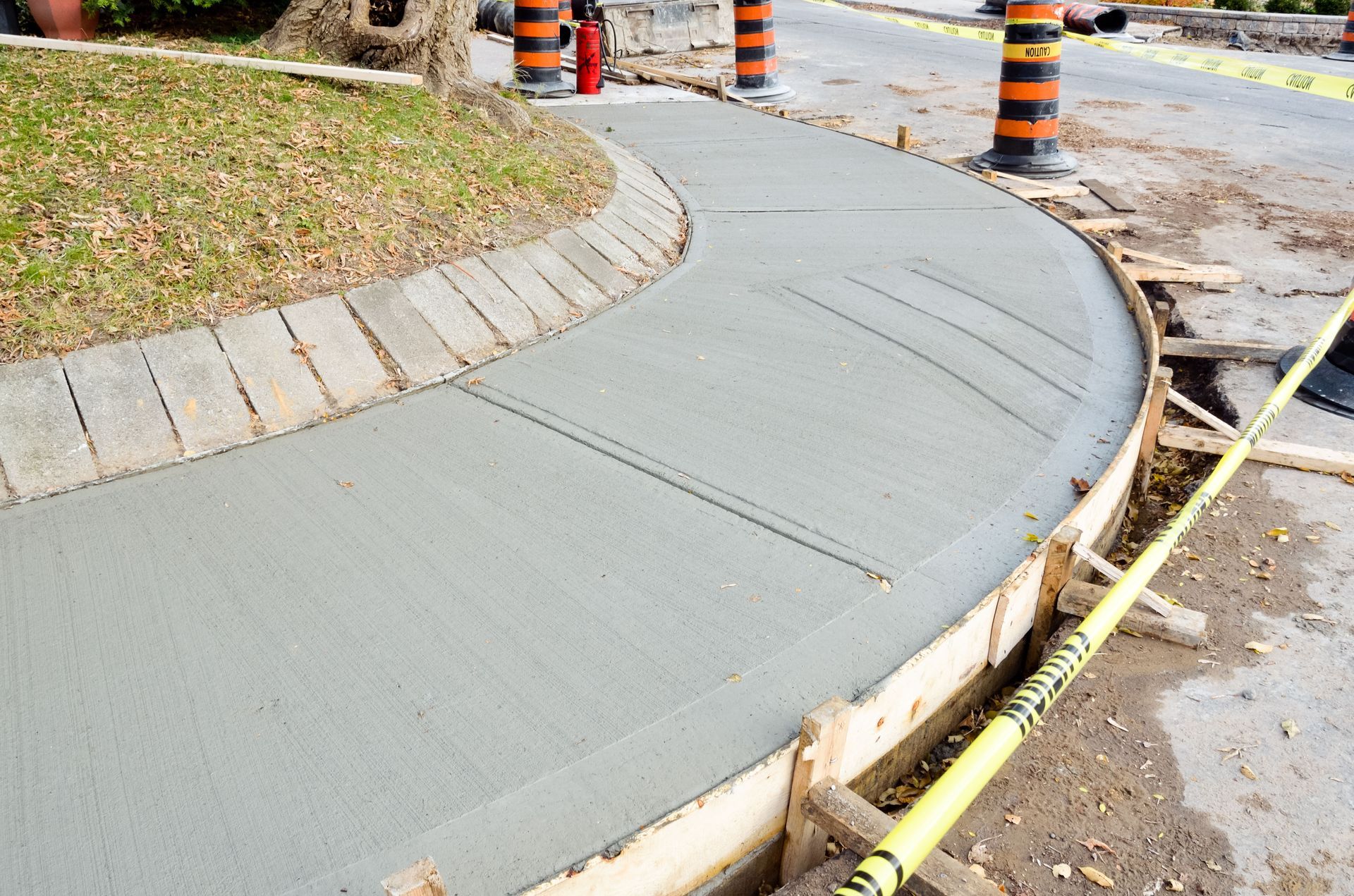
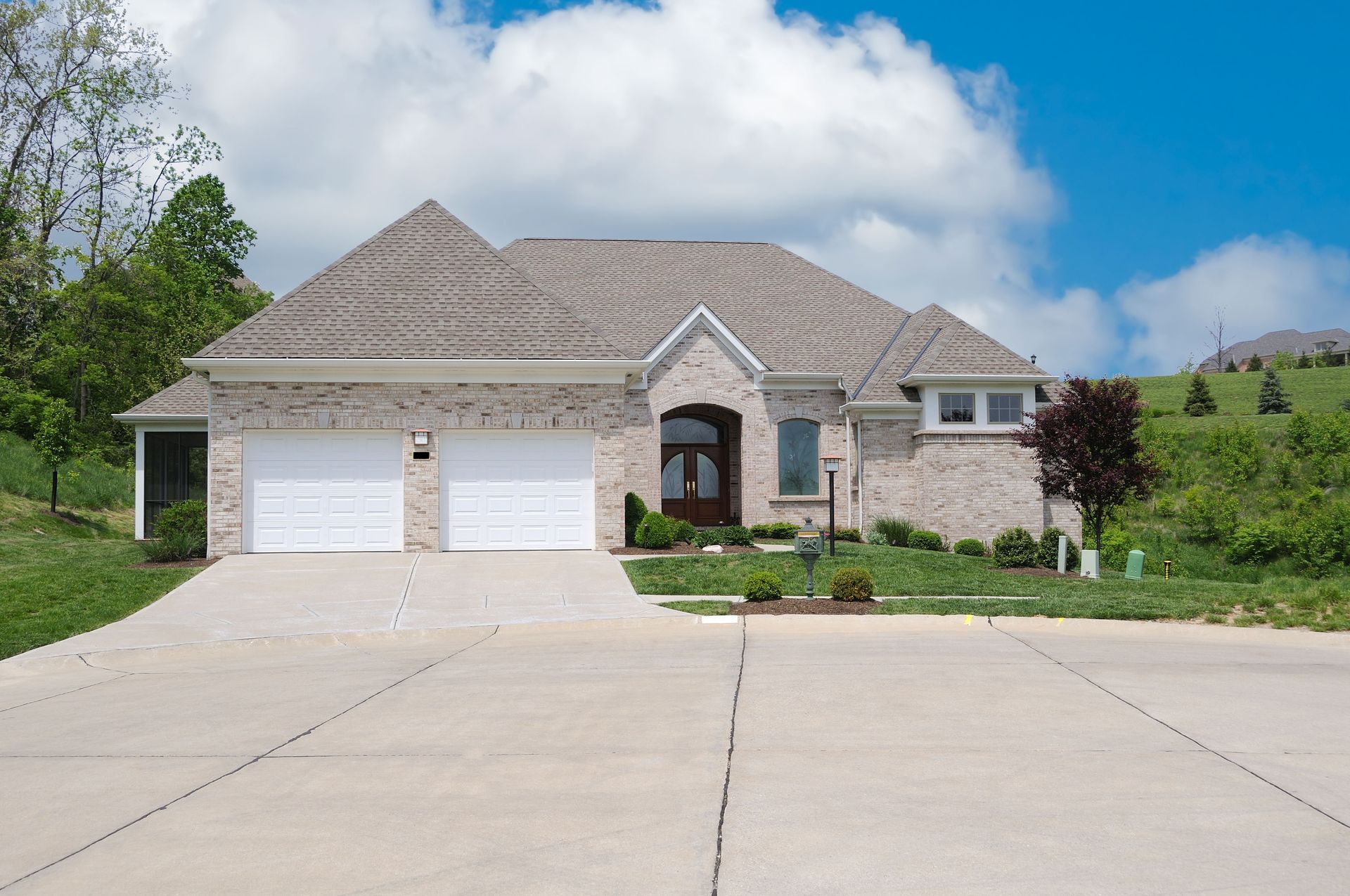
Top-tier concrete services ensure durable, functional, and visually appealing surfaces for various residential, commercial, and public construction projects.
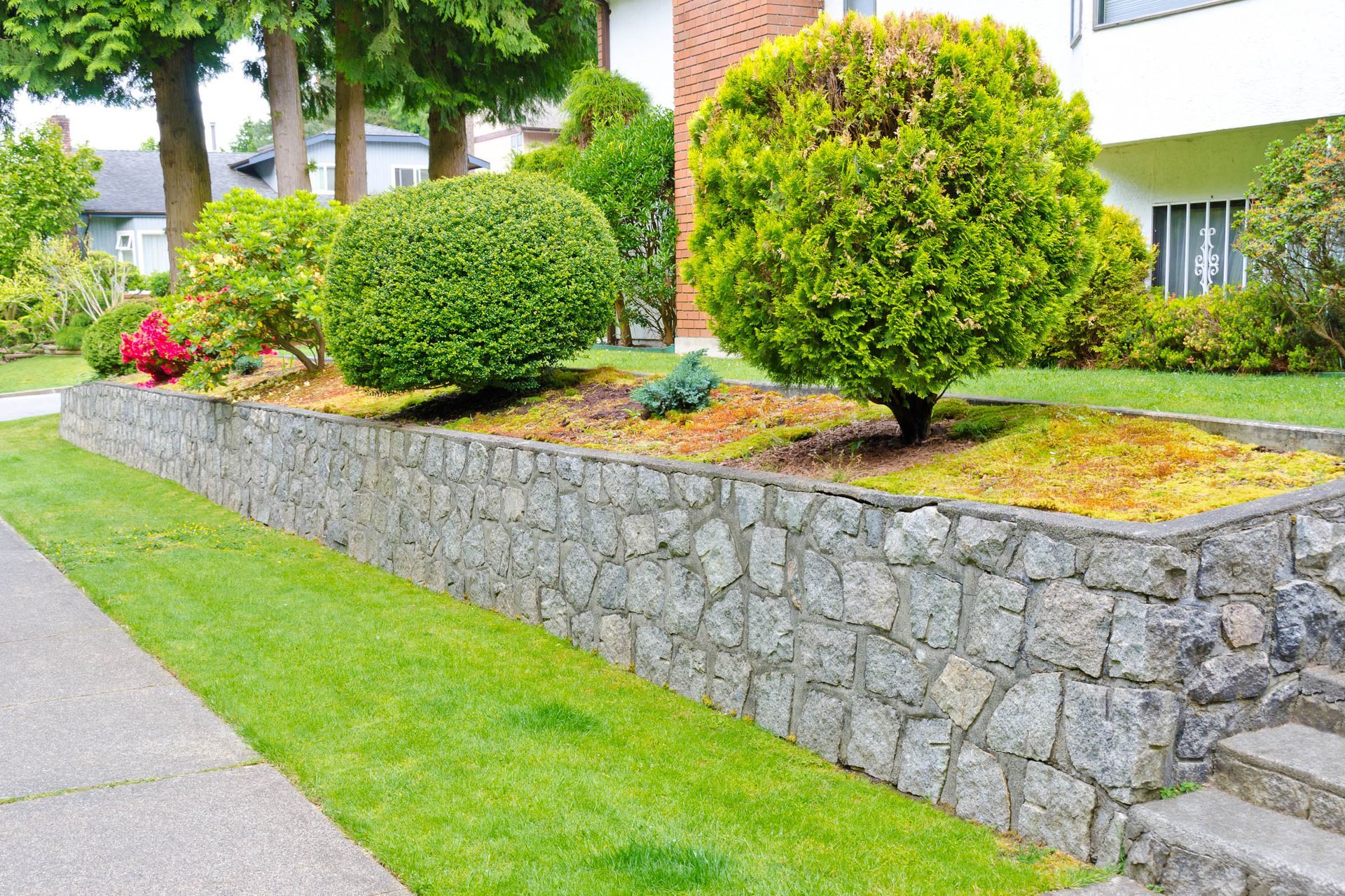
Do you have retaining walls on your property? Keep reading to discover the six signs that indicate a need for professional repair.
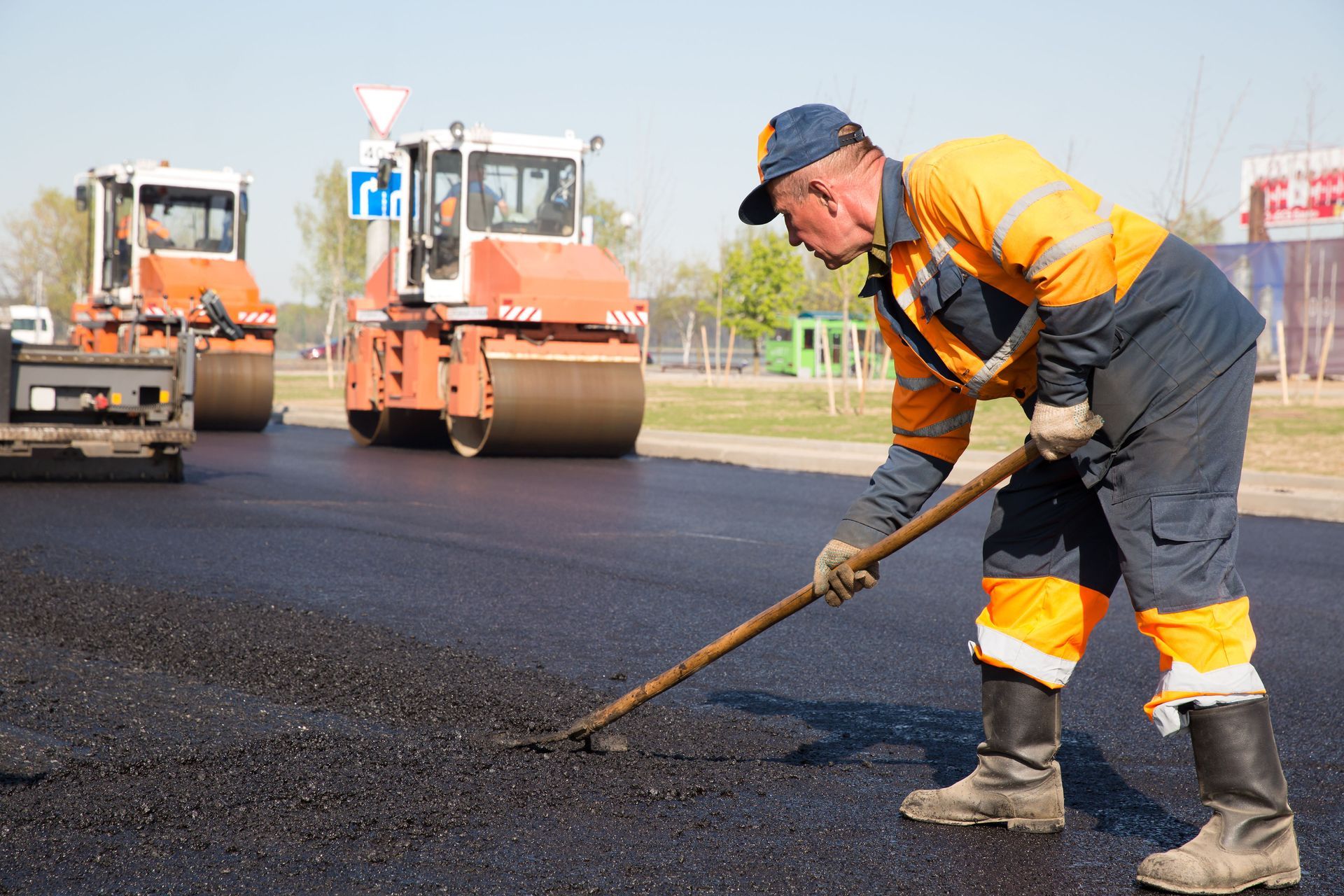
Investing in professional paving businesses is one of the most effective ways to improve both the appearance and performance of a residential or commercial property. Well-planned paved surfaces support daily traffic, create a cleaner layout, and help properties function more efficiently year-round. From parking areas and access roads to concrete features and drainage solutions, paving plays a critical role in how a site operates and is perceived. Understanding the value behind professional paving services helps property owners make informed decisions, as the following sections break down the key reasons these solutions deliver lasting benefits. 1. Enhance Aesthetic Appeal Professional paving companies create clean, uniform surfaces that immediately elevate curb appeal. Smooth asphalt, well-finished concrete, and clearly defined edges help properties look organized and welcoming. Design considerations such as layout flow, surface transitions, and finish consistency ensure paved areas complement nearby structures instead of overpowering them. When paving aligns with the surrounding environment, it strengthens first impressions and reinforces a polished exterior that reflects long-term care and planning. 2. Increase Property Value Quality paving directly contributes to higher property value by improving usability and visual consistency. Drive lanes, parking areas, and walkways that are professionally installed signal durability and readiness for regular use. Buyers and tenants often associate well-maintained paved surfaces with reduced future expenses and improved safety. Over time, properly constructed paving services protect investments by reducing deterioration that could otherwise lower overall property appeal. 3. Support Long-Term Durability Durability is one of the most practical advantages of professional paving businesses. Proper base preparation, material selection, and installation methods help surfaces withstand traffic loads and seasonal changes. Concrete and asphalt applications installed by experienced crews are designed to resist cracking, shifting, and surface breakdown. According to HomeGuide.com, newly poured concrete typically requires one to two days before it can be walked on and approximately seven to ten days before vehicles can safely drive or park on it, reinforcing the importance of proper timelines and professional handling. 4. Improve Site Safety Safety improves significantly when paving is installed correctly and consistently. Even surfaces reduce trip hazards, while defined traffic paths help control movement for vehicles and pedestrians. Paving services often incorporate thoughtful grading to prevent water pooling, which lowers the risk of slips during wet conditions. Clear striping and transitions between paved areas further improve visibility and site organization, contributing to safer daily operations. 5. Manage Drainage Effectively Water management is essential for maintaining paved surfaces and surrounding structures. Professional paving companies account for slope, drainage channels, and material performance to direct water away from buildings and high-traffic areas. Proper drainage reduces erosion, minimizes surface damage, and helps prevent long-term structural concerns. Well-managed runoff supports site longevity and keeps paved areas usable even after heavy rainfall. 6. Expand Functional Space Paving transforms underutilized land into functional areas that support daily needs. Parking expansions, service access points, and concrete pads increase efficiency without compromising layout flow. Paving businesses help property owners make better use of available space while maintaining accessibility and organization. When paved areas are strategically placed, they support smoother operations and improve overall site functionality. 7. Integrate Concrete Features Concrete elements such as pads, curbing, and structural surfaces add versatility to paved environments. These features support heavier loads and provide long-lasting performance when installed professionally. Concrete services often complement paving layouts by reinforcing high-impact zones and creating defined boundaries. Integration with existing paved surfaces ensures continuity and reduces maintenance concerns over time. 8. Maintain Clear Line Striping Line striping plays a critical role in organization and safety for paved properties. Clearly marked parking spaces, traffic lanes, and access points reduce confusion and support efficient movement. Professional paving companies ensure striping aligns with layout plans and visibility requirements. Consistent markings help properties operate smoothly while maintaining a professional appearance. 9. Prepare Sites Through Excavation Excavation is a foundational step that determines how well paving performs long-term. Proper soil preparation, grading, and removal of unsuitable materials support stable installations. Paving services that include excavation ensure surfaces are built on reliable ground conditions. This preparation minimizes shifting and helps maintain even surfaces as traffic demands increase. 10. Clear Land For Development Lot clearing creates the groundwork needed for effective paving layouts. Removing debris, vegetation, and obstacles allows for accurate grading and surface planning. Paving businesses that incorporate lot clearing help streamline project timelines and reduce unexpected challenges. A properly cleared site supports smoother installation and long-term surface integrity. 11. Support Water And Sewer Infrastructure Integrated paving projects often coordinate with water, sewer, and drainage systems. Access points, surface grading, and structural considerations help protect underground infrastructure. Paving companies designed with utility coordination reduce the risk of future disruptions and costly repairs. This alignment supports long-term performance for both surfaces and essential systems. 12. Accommodate EV Charging Stations Modern paving layouts increasingly account for electric vehicle charging stations. Concrete pads and reinforced surfaces support charging equipment and vehicle weight. Paving services that consider EV placement improve accessibility and future readiness. These installations help properties adapt to evolving transportation needs without disrupting existing layouts. 13. Provide Seasonal Snow Management Support Snow plowing and removal depend on durable paved surfaces that can withstand repeated clearing. Smooth, properly graded pavement allows snow equipment to operate efficiently and safely. Paving businesses that support winter maintenance help reduce surface damage and improve accessibility during colder months. Reliable surfaces ensure consistent performance throughout seasonal changes. 14. Handle Small Site Jobs Efficiently Smaller paving projects still require precise planning and professional execution. Compact lots, access points, and service areas benefit from experienced layout and installation. Paving companies tailored to small site jobs help property owners address specific needs without sacrificing quality. These projects often deliver high-impact improvements with minimal disruption. 15. Reduce Long-Term Maintenance Costs Well-installed paving companies reduce the frequency and cost of repairs. Quality materials and proper installation techniques limit cracking, drainage issues, and surface wear. Lower maintenance demands translate into fewer interruptions and predictable upkeep expenses. Over time, this consistency supports budget planning and surface longevity. 16. Strengthen Environmental Performance Thoughtful paving design can support environmental goals by improving water flow and surface efficiency. Proper grading and material selection help manage runoff and reduce erosion. Paving services that align with site conditions limit environmental strain while maintaining performance. These considerations contribute to balanced land use and sustainable operation. 17. Deliver Consistent Project Outcomes Consistency across paving projects ensures surfaces perform as intended over time. Standardized processes, coordinated services, and experienced crews help achieve reliable results. Paving businesses complete with attention to detail maintain alignment, finish quality, and functionality. This reliability supports long-term confidence in site infrastructure. 18. Support Commercial and Residential Needs Paving solutions serve a wide range of property types, from commercial facilities to residential developments. Each project benefits from customized planning that addresses traffic patterns, usage demands, and site constraints. Paving companies adapted to specific environments improve performance without unnecessary complexity. This flexibility allows projects to scale effectively. 19. Enhance Overall Property Function Well-executed paving connects different areas of a property into a cohesive layout. Smooth transitions between surfaces improve movement and usability. Paving services help unify access points, service routes, and pedestrian zones. This coordination enhances daily operations and long-term property management. 20. Reinforce Professional Site Image A clean, well-maintained paved surface reflects positively on property ownership and management. Consistent finishes, defined edges, and clear markings contribute to a professional image. Paving companies support brand perception for commercial properties while improving livability for residential spaces. Appearance and performance work together to create lasting impressions. 21. Plan For Future Growth Strategic paving allows properties to adapt as needs evolve. Expanded traffic areas, additional features, and infrastructure updates become easier when surfaces are properly designed. Paving businesses that anticipate future use help prevent costly rework. Planning ahead supports flexibility and continued site efficiency. Professional paving services provide measurable advantages across durability, safety, functionality, and appearance. By addressing foundational needs and long-term performance, paving supports reliable site operation and sustained value. From preparation and installation to maintenance considerations, these solutions deliver consistent benefits. To discuss how these services can support your next project, reach out to RDM Construction Companies today, where we are ready to help plan and execute paving solutions that align with your property goals.

