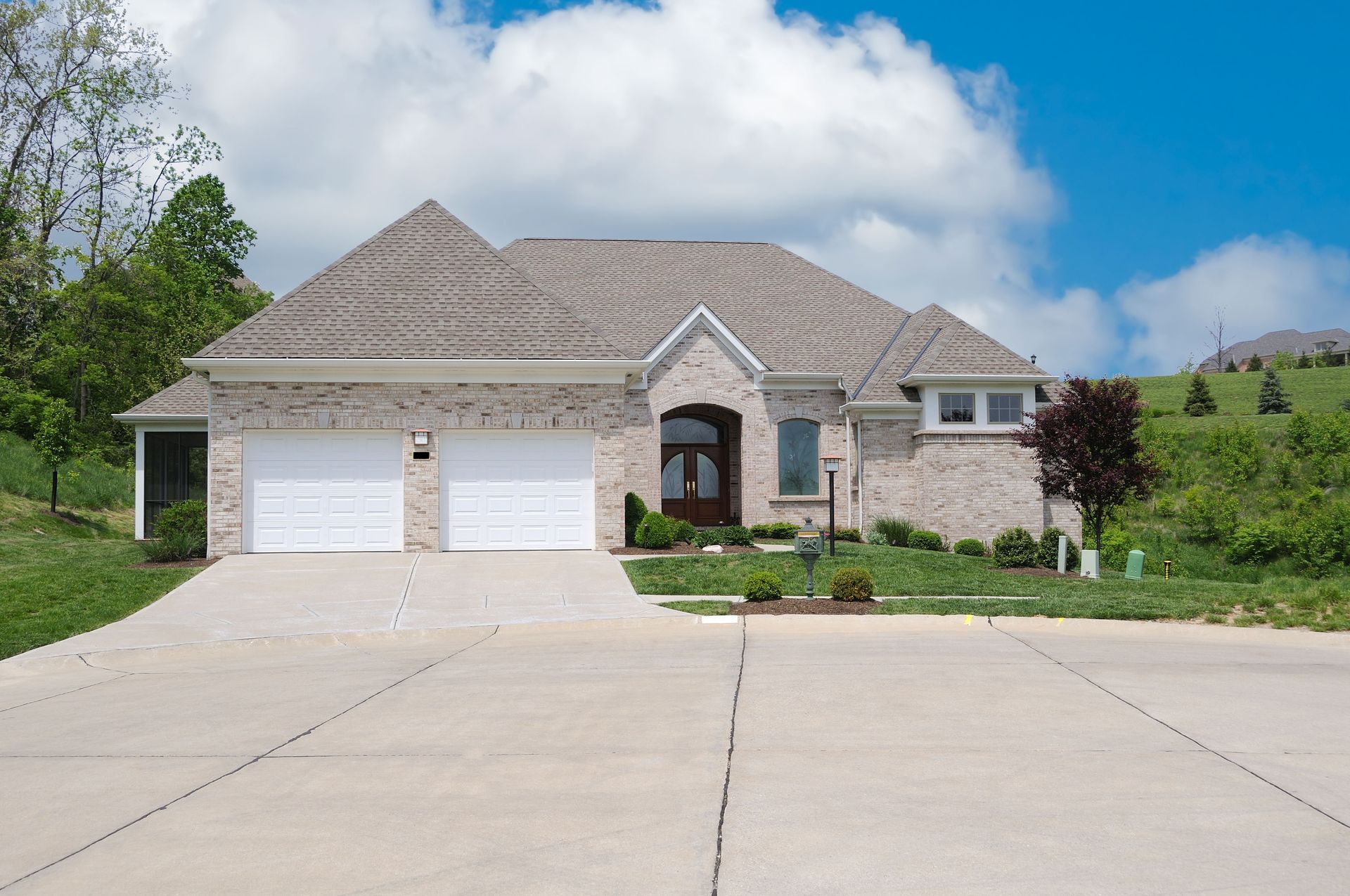
What Are the Steps Involved in Driveway Paving
November 5, 2025

November 5, 2025

1. Planning and Design


The first step in any driveway paving project is assessing your needs and budget. You must consider the size and type of driveway that fits your home. Evaluating your budget is also crucial, as it will determine the materials and labor you can afford. Many homeowners consult with a professional driveway contractor to get an accurate estimate. Making informed decisions early on prevents costly adjustments later in the project.


Choosing the right material for your driveway is imperative for durability and aesthetics. Common materials include asphalt, concrete, and pavers, each with its pros and cons. Concrete is popular for its durability and ease of maintenance, but it requires a longer curing time. According to HomeGuide.com, after pouring, concrete needs 1 to 2 days to cure before you can walk on it, and 7 to 10 days before it's dry enough to drive or park on. Selection often depends on climate conditions and personal preference. A skilled driveway contractor can help guide material choices based on your specific needs.


Designing a driveway layout involves planning the dimensions and incorporating any curves or slopes. The design should complement the architecture of your home and accommodate all vehicles you plan to park. Considering that drainage and water runoff are particularly important to avoid damage over time. Many homeowners use design software or consult with professionals to ensure accurate execution. Proper layout planning is a cornerstone of a successful driveway project.


2. Site Preparation


Site preparation begins with marking the area where the driveway will be installed. Use stakes and string to outline the exact dimensions and shape. Accuracy during this step is vital, as it dictates the final appearance and function. Ensure that the planned dimensions fit within property lines to avoid legal issues. Clear, precise marking sets the foundation for the entire project.


Once marked, the area must be cleared of vegetation, debris, and any obstacles. This involves removing trees, plants, roots, and rocks that impede progress. Clearing creates a clean slate but should be approached carefully to minimize disruption. Some areas may require heavy machinery or professional assistance, especially if there are significant obstacles. A trusted driveway contractor can manage these tasks efficiently and safely.


Excavation and grading are crucial for creating a stable foundation and ensuring proper drainage. Excavation removes topsoil and prepares the ground for the new structure. Grading must be done to ensure the surface is level and slopes away from your home to prevent water pooling. Proper grading can avert future water damage and structural issues. This step sets the stage for robust and long-lasting pavement.


3. Creating the Base


The selection of base material is pivotal in ensuring a durable and lasting driveway. Common choices include crushed stone, recycled concrete, or gravel. Each material offers distinct advantages in terms of stability, cost, and drainage. Consult with professionals to choose the most suitable option for your climate and soil type. A well-chosen base material forms the backbone of your driveway.


Once the base material is selected, lay down the gravel to form a foundation layer. Distribute the material evenly and to the appropriate depth as planned. The thickness of this layer typically varies based on climate and soil conditions. A well-laid gravel foundation helps with drainage and supports the entire driveway structure. This step lays the ground for a resilient and lasting driveway.


Compacting the base layer is essential to eliminate voids and ensure stability. Use mechanical compactors to achieve a dense and firm base. Compaction helps to lock the base material, reducing the risk of shifting or settling later. This task is critical for foundation longevity and enhancing the load-bearing capacity of the driveway. A professional driveway contractor ensures this step is done correctly to prevent future issues.


4. Installation of Paving Material


The installation phase begins with selecting your paving material. Asphalt is quick to install, budget-friendly, and offers a sleek appearance, while concrete provides durability and low maintenance. Pavers allow for customization in patterns and colors, ideal for specific aesthetic goals. Carefully weigh each option's pros and cons to choose the best fit for your needs. Your choice will significantly affect the driveway's appearance and maintenance requirements.


Preparation of the selected paving material is critical before installation. For asphalt or concrete, ensure the mix is prepared following manufacturer guidelines. Pavers require sorting by color and size if a specific pattern is desired. Proper preparation minimizes waste, maximizes efficiency, and leads to a smoother installation process. Hiring an experienced driveway contractor guarantees professional-quality preparation and installation.


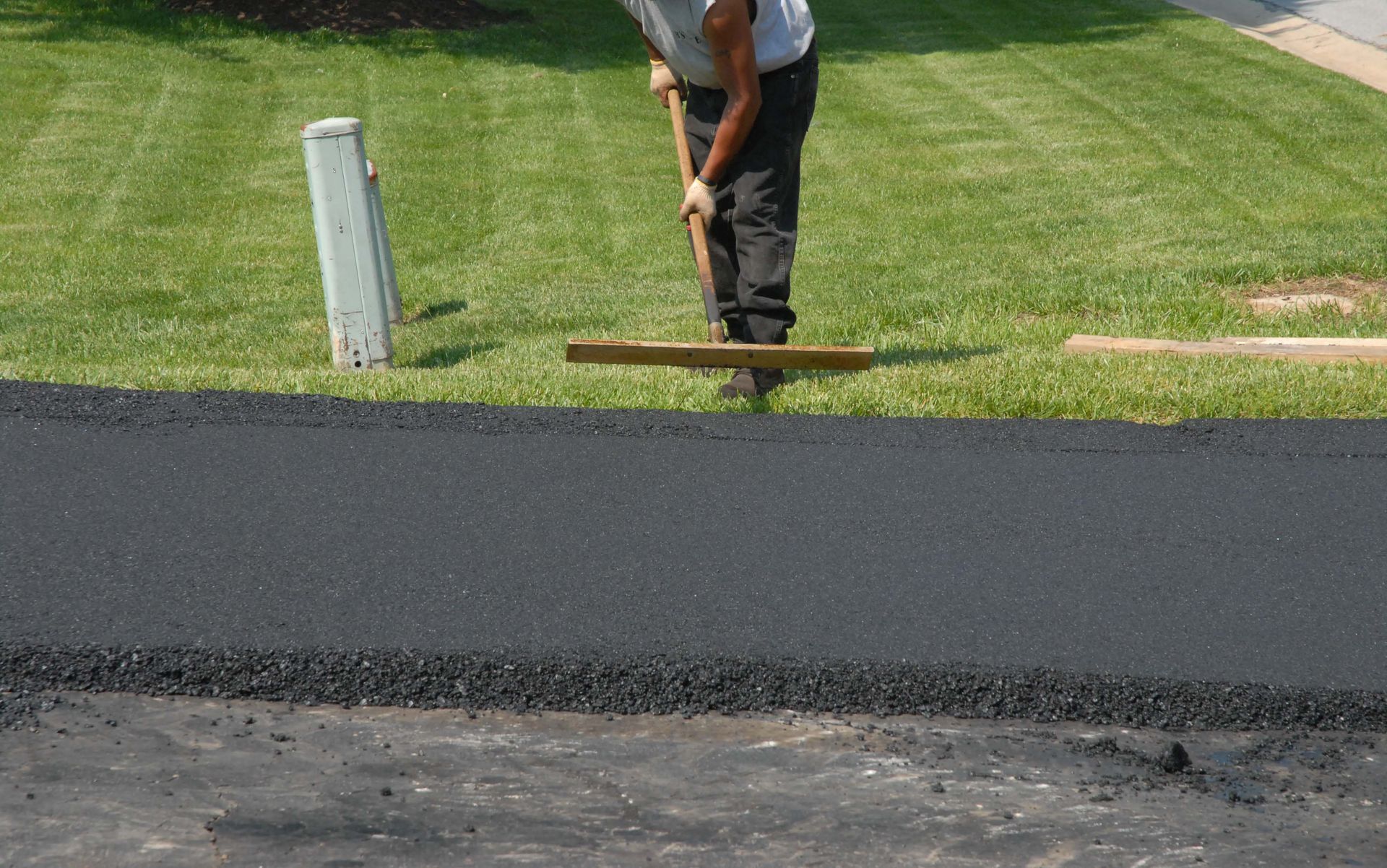
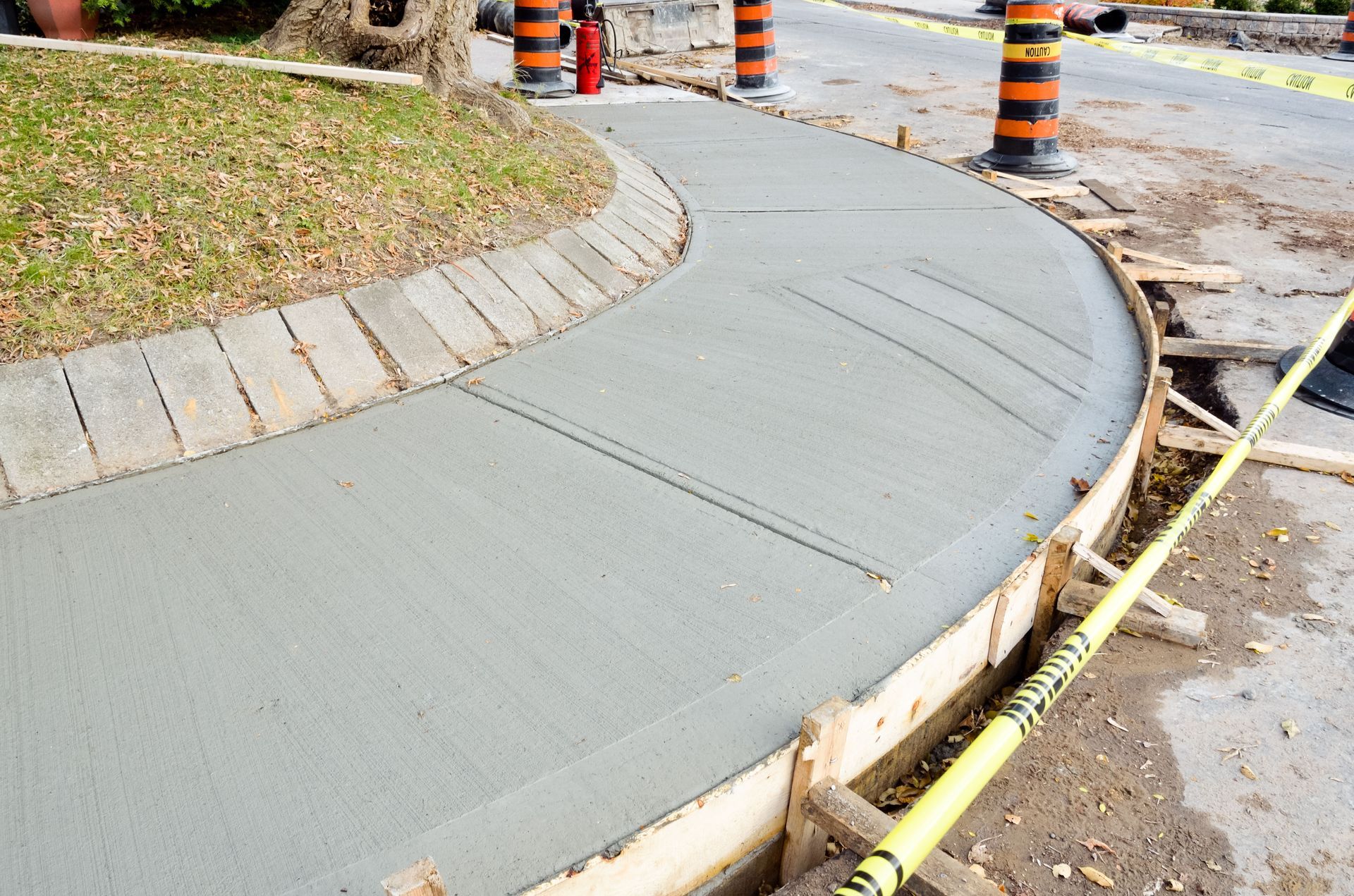
Laying the paving material involves careful placement and attention to detail. For concrete or asphalt, evenly pour the mix from the furthest point, spreading it towards the entrance. Pavers require precise placement to maintain the planned pattern. Alignment and consistency during laying help achieve a uniform, attractive appearance. Proper laying forms the visible part of the driveway, dictating its immediate aesthetics and functionality.


5. Sealing and Finishing


Sealing your driveway is essential for protection against weather damage and vehicle fluids. It acts as a barrier, preventing water penetration and subsequent freeze-thaw cycles that cause cracks. Sealing extends the lifespan of the pavement, maintaining its appearance and functionality. Neglecting this step can result in the need for costly repairs sooner than expected. Regular sealing is a proactive maintenance measure.


Selecting the right sealant depends on the type of driveway material and environmental factors. Asphalt driveways benefit from coal tar or asphalt emulsion sealers, while acrylic-based sealants work well for concrete. Consider factors like UV protection, durability, and drying times. Consult with professionals or utilize product guides to select the most suitable sealant. A skilled driveway contractor can provide recommendations for the most effective products.


The application process of sealant is crucial for achieving a smooth finish. Clean the driveway thoroughly to remove dirt and debris before applying the sealant. Use a squeegee or roller for even distribution, starting from the edges and working inwards. Apply multiple coats if necessary, allowing sufficient drying time between each. A well-sealed driveway adds a protective layer and enhances visual appeal.


6. Maintenance and Repair


Regular cleaning and upkeep are imperative for maintaining the driveway's appearance and longevity. Remove debris, leaves, and dirt regularly to prevent accumulation and staining. Pressure washing can help remove stubborn grime without damaging the surface. Schedule routine inspections to catch early signs of wear and tear. Consistent maintenance ensures long-term protection and curb appeal.


Detecting early signs of wear is crucial for timely repairs. Check for small cracks, discoloration, or uneven surfaces during routine inspections. Addressing issues promptly prevents larger, more expensive problems down the line. Consult with professionals if unclear about the severity of visible damage. Being proactive about maintenance and repairs is key to sustaining a durable driveway.


Repairing minor damages can extend the lifespan of your driveway. Seal small cracks using sealant products designed for your pavement type. For asphalt, cold patch products can fill minor potholes or fissures. Address issues as soon as they are identified to prevent them from worsening. Regular repairs contribute to a flawless, safe surface for daily use.


A well-paved driveway enhances your home's curb appeal and functionality. Following these detailed steps ensures a lasting and high-quality pavement, tailored to meet individual preferences and site conditions. Remember, careful planning, diligent site preparation, proper material choice, and regular maintenance are key to a successful driveway paving project. For more information about the services that we offer, reach out to our incredible team at RDM Construction Companies LLC today and speak with a trusted driveway contractor!
December 26, 2025
Investing in professional paving businesses is one of the most effective ways to improve both the appearance and performance of a residential or commercial property. Well-planned paved surfaces support daily traffic, create a cleaner layout, and help properties function more efficiently year-round. From parking areas and access roads to concrete features and drainage solutions, paving plays a critical role in how a site operates and is perceived. Understanding the value behind professional paving services helps property owners make informed decisions, as the following sections break down the key reasons these solutions deliver lasting benefits. 1. Enhance Aesthetic Appeal Professional paving companies create clean, uniform surfaces that immediately elevate curb appeal. Smooth asphalt, well-finished concrete, and clearly defined edges help properties look organized and welcoming. Design considerations such as layout flow, surface transitions, and finish consistency ensure paved areas complement nearby structures instead of overpowering them. When paving aligns with the surrounding environment, it strengthens first impressions and reinforces a polished exterior that reflects long-term care and planning. 2. Increase Property Value Quality paving directly contributes to higher property value by improving usability and visual consistency. Drive lanes, parking areas, and walkways that are professionally installed signal durability and readiness for regular use. Buyers and tenants often associate well-maintained paved surfaces with reduced future expenses and improved safety. Over time, properly constructed paving services protect investments by reducing deterioration that could otherwise lower overall property appeal. 3. Support Long-Term Durability Durability is one of the most practical advantages of professional paving businesses. Proper base preparation, material selection, and installation methods help surfaces withstand traffic loads and seasonal changes. Concrete and asphalt applications installed by experienced crews are designed to resist cracking, shifting, and surface breakdown. According to HomeGuide.com, newly poured concrete typically requires one to two days before it can be walked on and approximately seven to ten days before vehicles can safely drive or park on it, reinforcing the importance of proper timelines and professional handling. 4. Improve Site Safety Safety improves significantly when paving is installed correctly and consistently. Even surfaces reduce trip hazards, while defined traffic paths help control movement for vehicles and pedestrians. Paving services often incorporate thoughtful grading to prevent water pooling, which lowers the risk of slips during wet conditions. Clear striping and transitions between paved areas further improve visibility and site organization, contributing to safer daily operations. 5. Manage Drainage Effectively Water management is essential for maintaining paved surfaces and surrounding structures. Professional paving companies account for slope, drainage channels, and material performance to direct water away from buildings and high-traffic areas. Proper drainage reduces erosion, minimizes surface damage, and helps prevent long-term structural concerns. Well-managed runoff supports site longevity and keeps paved areas usable even after heavy rainfall. 6. Expand Functional Space Paving transforms underutilized land into functional areas that support daily needs. Parking expansions, service access points, and concrete pads increase efficiency without compromising layout flow. Paving businesses help property owners make better use of available space while maintaining accessibility and organization. When paved areas are strategically placed, they support smoother operations and improve overall site functionality. 7. Integrate Concrete Features Concrete elements such as pads, curbing, and structural surfaces add versatility to paved environments. These features support heavier loads and provide long-lasting performance when installed professionally. Concrete services often complement paving layouts by reinforcing high-impact zones and creating defined boundaries. Integration with existing paved surfaces ensures continuity and reduces maintenance concerns over time. 8. Maintain Clear Line Striping Line striping plays a critical role in organization and safety for paved properties. Clearly marked parking spaces, traffic lanes, and access points reduce confusion and support efficient movement. Professional paving companies ensure striping aligns with layout plans and visibility requirements. Consistent markings help properties operate smoothly while maintaining a professional appearance. 9. Prepare Sites Through Excavation Excavation is a foundational step that determines how well paving performs long-term. Proper soil preparation, grading, and removal of unsuitable materials support stable installations. Paving services that include excavation ensure surfaces are built on reliable ground conditions. This preparation minimizes shifting and helps maintain even surfaces as traffic demands increase. 10. Clear Land For Development Lot clearing creates the groundwork needed for effective paving layouts. Removing debris, vegetation, and obstacles allows for accurate grading and surface planning. Paving businesses that incorporate lot clearing help streamline project timelines and reduce unexpected challenges. A properly cleared site supports smoother installation and long-term surface integrity. 11. Support Water And Sewer Infrastructure Integrated paving projects often coordinate with water, sewer, and drainage systems. Access points, surface grading, and structural considerations help protect underground infrastructure. Paving companies designed with utility coordination reduce the risk of future disruptions and costly repairs. This alignment supports long-term performance for both surfaces and essential systems. 12. Accommodate EV Charging Stations Modern paving layouts increasingly account for electric vehicle charging stations. Concrete pads and reinforced surfaces support charging equipment and vehicle weight. Paving services that consider EV placement improve accessibility and future readiness. These installations help properties adapt to evolving transportation needs without disrupting existing layouts. 13. Provide Seasonal Snow Management Support Snow plowing and removal depend on durable paved surfaces that can withstand repeated clearing. Smooth, properly graded pavement allows snow equipment to operate efficiently and safely. Paving businesses that support winter maintenance help reduce surface damage and improve accessibility during colder months. Reliable surfaces ensure consistent performance throughout seasonal changes. 14. Handle Small Site Jobs Efficiently Smaller paving projects still require precise planning and professional execution. Compact lots, access points, and service areas benefit from experienced layout and installation. Paving companies tailored to small site jobs help property owners address specific needs without sacrificing quality. These projects often deliver high-impact improvements with minimal disruption. 15. Reduce Long-Term Maintenance Costs Well-installed paving companies reduce the frequency and cost of repairs. Quality materials and proper installation techniques limit cracking, drainage issues, and surface wear. Lower maintenance demands translate into fewer interruptions and predictable upkeep expenses. Over time, this consistency supports budget planning and surface longevity. 16. Strengthen Environmental Performance Thoughtful paving design can support environmental goals by improving water flow and surface efficiency. Proper grading and material selection help manage runoff and reduce erosion. Paving services that align with site conditions limit environmental strain while maintaining performance. These considerations contribute to balanced land use and sustainable operation. 17. Deliver Consistent Project Outcomes Consistency across paving projects ensures surfaces perform as intended over time. Standardized processes, coordinated services, and experienced crews help achieve reliable results. Paving businesses complete with attention to detail maintain alignment, finish quality, and functionality. This reliability supports long-term confidence in site infrastructure. 18. Support Commercial and Residential Needs Paving solutions serve a wide range of property types, from commercial facilities to residential developments. Each project benefits from customized planning that addresses traffic patterns, usage demands, and site constraints. Paving companies adapted to specific environments improve performance without unnecessary complexity. This flexibility allows projects to scale effectively. 19. Enhance Overall Property Function Well-executed paving connects different areas of a property into a cohesive layout. Smooth transitions between surfaces improve movement and usability. Paving services help unify access points, service routes, and pedestrian zones. This coordination enhances daily operations and long-term property management. 20. Reinforce Professional Site Image A clean, well-maintained paved surface reflects positively on property ownership and management. Consistent finishes, defined edges, and clear markings contribute to a professional image. Paving companies support brand perception for commercial properties while improving livability for residential spaces. Appearance and performance work together to create lasting impressions. 21. Plan For Future Growth Strategic paving allows properties to adapt as needs evolve. Expanded traffic areas, additional features, and infrastructure updates become easier when surfaces are properly designed. Paving businesses that anticipate future use help prevent costly rework. Planning ahead supports flexibility and continued site efficiency. Professional paving services provide measurable advantages across durability, safety, functionality, and appearance. By addressing foundational needs and long-term performance, paving supports reliable site operation and sustained value. From preparation and installation to maintenance considerations, these solutions deliver consistent benefits. To discuss how these services can support your next project, reach out to RDM Construction Companies today, where we are ready to help plan and execute paving solutions that align with your property goals.
Paving company
December 9, 2025
A paving company provides expert services that enhance your home’s exterior, from driveways to patios, increasing both value and aesthetics.
concrete contractors
November 29, 2025
For dependable surfaces and expert craftsmanship, choosing experienced concrete contractors is one of the smartest decisions a property owner can make.
Show More →