RDM Construction Companies
Proudly Serving The Greater Capital Region of New York State
CALL US TODAY
+1 (518) 414-8789
+1 (518) 414-8789
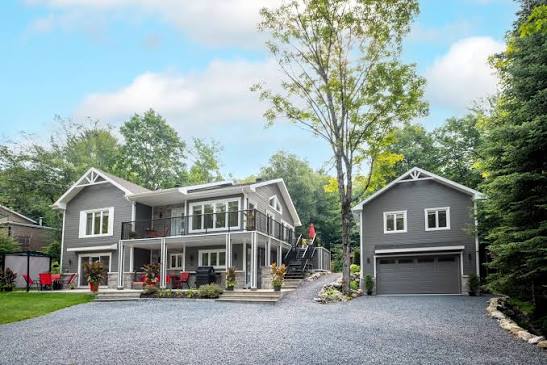
RDM Construction Companies installs chip seal driveways in Saratoga Springs, NY and throughout Saratoga County. Also known as tar and chip or oil and stone, chip seal combines liquid asphalt with crushed stone to create a durable, textured driving surface.
It is an especially practical option for long driveways, rural properties, private lanes, and homeowners who prefer the natural appearance of stone over traditional blacktop.
RDM handles the entire project, including grading, drainage correction, base preparation, chip seal installation, and final compaction.
A chip seal driveway is created by applying a layer of asphalt binder to a properly prepared surface, spreading crushed stone aggregate over the binder, and rolling the stone into place. The result is a bonded driving surface with the appearance and traction of stone.
Although the terminology varies, the basic idea is the same. Asphalt binder holds a layer of stone aggregate together to create a more stable surface than loose gravel. Chip seal is also very different from asphalt sealcoating. Sealcoating is a thin protective coating applied to an existing asphalt driveway. Chip seal uses aggregate and asphalt binder to create an actual wearing surface.
Traditional asphalt is not the only option for a residential driveway. For the right property, chip seal provides a useful middle ground between loose gravel and hot-mix asphalt.
One of the biggest reasons homeowners consider chip seal is cost. The material and installation process can make chip seal less expensive than installing a complete hot-mix asphalt surface, particularly on long driveways where paving thousands of square feet with asphalt can become expensive. The actual savings depend on the condition of your existing driveway.
Chip seal does not have the uniform black appearance of asphalt. Instead, the visible surface is primarily crushed stone. This gives the driveway a more natural look that can blend well with wooded lots, larger properties, traditional homes, and rural areas surrounding Saratoga Springs.
Gravel is affordable, but it moves. Vehicles, snow removal, runoff, and regular traffic can push loose gravel toward the edges of a driveway and create washouts, potholes, and ruts. Chip seal binds the surface aggregate together, reducing many of the problems associated with an entirely loose gravel surface.
The exposed aggregate creates a textured driving surface that provides strong tire traction. That texture is one reason chip seal has been used for residential driveways, private roads, and low-volume road surfaces for decades.
Chip seal becomes particularly attractive as driveway length increases. A short suburban driveway may be a good candidate for asphalt. But on a long private drive, farm access lane, rural property, or large residential lot, the cost difference between different paving systems can become significant.
If your priority is a smooth surface that is easy to shovel and plow, traditional asphalt may be the better option. If you have a long driveway and want a durable bound surface with a natural appearance at a lower initial investment, chip seal may make more sense. RDM installs and services multiple types of pavement, so our recommendation is based on the property rather than trying to sell every homeowner the same driveway.
Chip seal can perform well in Upstate New York when the driveway is properly prepared and drainage is addressed. The biggest concern is not simply cold weather. It is water getting beneath the driving surface and repeatedly freezing and thawing. This makes base preparation and drainage especially important for Saratoga County properties. RDM's paving work is supported by our in-house excavation, grading, and drainage capabilities, allowing us to address these problems before the finished surface is installed.
Free Quotes Available All Over the Capital Region!
We don't subcontract laborers. Our crews show up and stand behind their own work.
Licensed, insured, family and locally owned.
Price-match guarantee
40+ years in concrete, paving, and excavation across the Capital Region
1-year workmanship and material warranty
Free, no-obligation estimates
![[background image] image of construction equipment (for a construction company)](https://cdn.prod.website-files.com/69f9347c3f31317dd33a8d92/6a03f4b622dcef4a8eb685ff_sidewalk.jpg)